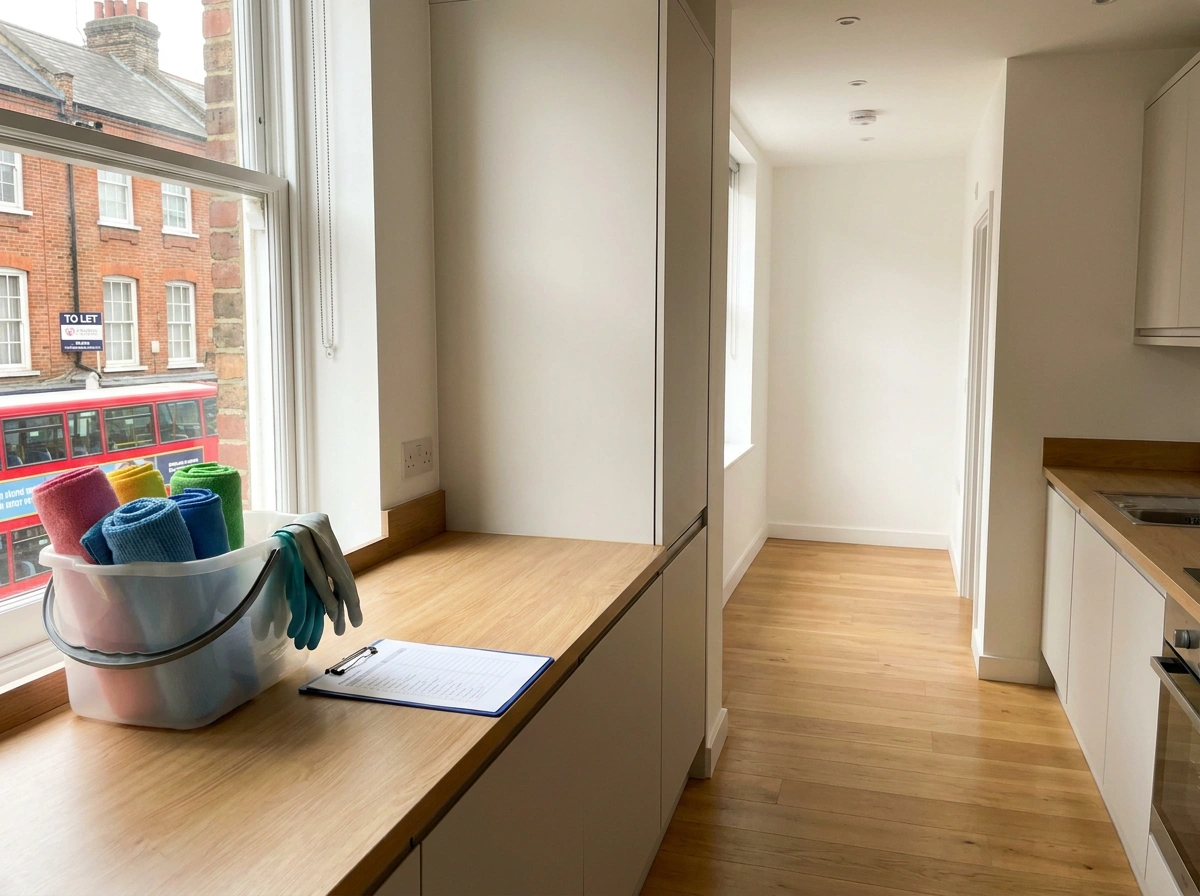
End of Tenancy Cleaning Checklist London: A Guide for Tenants and Landlords
Moving out of a rented flat or house in Greater London marks the start of a new chapter, but handing back the keys can bring unnecessary stress if the property’s condition is questioned. At the end of a lease, end of tenancy cleaning in London refers to the thorough cleaning required to return a property in the hygiene standard outlined in your tenancy agreement. UK tenancy law states that tenants are only responsible for returning the property to its original check-in cleanliness, with reasonable allowance made for fair wear and tear such as minor wall scuffs or natural carpet pile compression.
During the final check-out inspection, an independent inventory clerk or letting agent will compare the current state of the property against your original check-in report. Cleaning is frequently one of the most scrutinised elements during deposit assessments because dirt, limescale, grease, and dust are preventable issues. Understanding the tenancy cleaning checklist helps you focus on what inspectors actually look for, ensuring every room and appliance meets expectations before you hand back the keys.
What Landlords and Inventory Clerks Inspect at Check-Out
High-Priority Focus Areas: Commonly Missed Spot Checklists
Inventory check-out inspections rarely fail on broad surfaces like open floor spaces or clear walls. Instead, deductions most commonly arise from subtle, overlooked areas where grease, mineral scale, and dust naturally accumulate over time.
- Inside oven cavities, wire racks, baking trays, and glass door panels
- Extractor fan metal mesh filters and hood undersides
- Inside empty kitchen cupboards, drawers, and corner shelving units
- Behind and under movable appliances such as washing machines and fridges
- Limescale accumulation around chrome tap bases and shower screen seals
- Tile grout lines and bathroom silicone sealant edges
- Skirting boards, door frames, architraves, and interior door handles
- Light switches, socket faceplates, and window sills or tracks
- High surfaces, wardrobe tops, and high cobweb clearance in stairwells
Understanding 'Clean' vs 'Deep Clean' Standards
Tenants are not automatically required to pay for commercial deep cleaning unless stated in their tenancy agreement or required to restore the property to its check-in hygiene condition. Understanding what inventory clerks consider "good enough" helps set realistic expectations before your final walkthrough.
How Cleaning Relates to Deposit Assessment
While thorough cleaning resolves the vast majority of check-out disputes, cleaning is only one component of the deposit evaluation process. It is essential to recognize that non-cleaning items also influence deposit returns.
- Property damage, wall gouges, or broken fixtures are assessed independently from cleanliness
- Missing inventory items, furniture changes, or unreturned keys impact deposit settlements
- Leftover personal rubbish, unwanted furniture, or un-emptied bins incur removal fees
- Unapproved redecoration or wall alterations require restoration to original specifications
London-Specific Rental Considerations

Speak to Our London Cleaning Team Today.